Is HMDD Worth the Price? Breaking Down the Value for Shoppers
Shoppers browsing streetwear right now keep coming back to a single question: does HMDD genuinely deliver craftsmanship and design measured against what it costs? The brand — full name Happy Memories Don’t Die — has cultivated a loyal audience around graphics that hit an emotional nerve, a wistful, throwback look, and a wardrobe that leans heavily on relaxed everyday staples like sweatpants, shorts, hoodies, and tees. But a name and a mood board don’t answer the pricing question. What follows unpacks what you’re actually paying for when you buy HMDD clothing, where the value holds up, where it comes up short, and how it compares to comparable streetwear labels in 2026.
Pulling the marketing apart from the garment itself is the starting point of any honest hmdd review. HMDD rests on one strong emotional hook — the idea that sentiment survives time, that clothing can hold meaning as well as style. That’s a strong hook, yet shoppers paying real money still want proof that stitching, fabric weight, and fit are worth the cost. This is where we look at construction, sizing consistency, drop frequency, and resale demand for an unbiased view instead of just recycling the brand’s messaging.
What You’re Actually Paying For
Sitting in the mid-tier streetwear bracket, HMDD costs more than mall-brand basics while staying below hype-driven luxury streetwear. Being caught in the middle is precisely where confusion tends to creep in, since people size it up against both budget and luxury options. The more honest comparison is other independent streetwear labels operating at similar scale — not fast fashion, and not designer collaborations.
Three factors push up the cost: fabric weight, print/embroidery technique, and limited-run scarcity. HMDD sweatpants generally rely on thicker fleece compositions than a standard mass-retailer hoodie set, which shapes how the piece hangs and holds up after repeated washes. The graphics — often the emotional core of the “happy memories don’t die” https://hmddclothing.org/shorts-sweatpants/ branding — typically use methods more durable than a standard heat-transfer application, which becomes important for pieces worn often, not just now and then.
Limited drops also factor into cost. Limited manufacturing runs translate to higher per-unit costs than large-scale retailers see, and the difference lands on the customer’s price tag. It’s a common pattern across indie streetwear brands, not unique to HMDD, but it’s worth naming directly because it explains part of the price gap between HMDD and larger chains.
The Sweatpants-and-Shorts Lineup: The Core Value Test
For most shoppers, hmdd sweatpants and hmdd shorts serve as the entry point into the brand, and they’re also the most reliable test of value because they’re worn regularly and washed on a regular basis. Sweatpant styles are ultimately judged by three things: how well the waistband holds its stretch, fabric pilling over time, and whether the fit holds its shape after a dozen wash cycles. Shorts get evaluated on how long the drawstring lasts, how sturdy the inseam stitching is, and whether the fabric resists fading after multiple washes.
Customers repeatedly observe that HMDD’s sweatpants fit true to size with a loose through-the-leg cut rather than a slim taper, which counts for something if you’re used to size charts that lean small. The shorts carry the same loose, relaxed shape. This reliability counts for more than most shoppers realize — a brand that fits reliably across drops spares you the hassle and cost of returns, which is its own kind of worth even before you factor in the sticker price of the garment.
This is the part worth paying attention to is return-buying patterns. Customers happy with a single pair of HMDD sweatpants usually return for shorts or hoodies instead of making a one-time purchase and switching brands. That’s a reasonable indicator of satisfaction, since streetwear shoppers have plenty of other options and don’t stay loyal for subpar items.
How HMDD Stacks Up Against Comparable Streetwear Labels
Data does more to clarify this than adjectives ever could. Here’s a framework for comparison across categories that matter most to budget-minded shoppers: price positioning, fabric heaviness category, how long prints and graphics last, release frequency, and consistency of fit. These are relative rankings based on broad category placement rather than specific claims HMDD hasn’t directly made, and they’re meant to orient you rather than function as precise specifications.
| Category | Budget/Mainstream Streetwear | HMDD Clothing | High-End/Designer Streetwear |
|---|---|---|---|
| Typical Price Bracket | Budget-Level | Mid-Range | High to Very High |
| Fabric Weight | Lightweight to Medium | Medium to Heavyweight | Heavy |
| Graphic Longevity | Low to Mid | Moderate to Strong | Strong |
| How Often New Drops Happen | Ongoing | Periodic/Limited | Seasonal and Scarce |
| Fit Consistency Across Releases | Inconsistent | Generally Consistent | Reliable |
The point of this table isn’t to declare a champion — it’s meant to illustrate where HMDD sits among its peers. It isn’t going up against $15 fast-fashion sweatpants, nor is it attempting to pass as a $300 designer hoodie. It occupies the space where fabric and print quality clearly surpass entry-level basics, without requiring shoppers to spend high-end pricing for the upgrade. For many shoppers, that mid-tier position is exactly the value offering they’re seeking.
HMDD’s Best Everyday-Value Selections
These bottoms lead the pack because they’re worn in casual settings, during exercise, and even around the house, dividing the price across more use occasions than a statement hoodie you reserve for specific outfits.
- Joggers: elevated wear frequency, easygoing fit, strongest cost-per-wear ratio in the lineup.
- Shorts: reliable warm-weather rotation piece, matching fit logic to the sweatpants.
- Graphic hoodies: steeper price point but longer-lasting durability due to lower rotation use.
- Tees: cheapest entry point, good for checking fit before buying pants.
It’s a cheaper way to check how things fit before going all-in on a higher-priced sweatpant or hoodie buy. This kind of staged buying is standard guidance among streetwear fans navigating any indie label with restricted return timeframes.
Where the Value Falls Short
No label is perfect, and cost-benefit reviews don’t help much if they only focus on strengths. The most common friction points shoppers bring up about HMDD center on restricted stock drops — when a design runs dry, it may fail to return in a consistent timeframe, which can annoy buyers who miss a release window. That’s a genuine downside in accessibility, even if it isn’t reflected on a receipt.
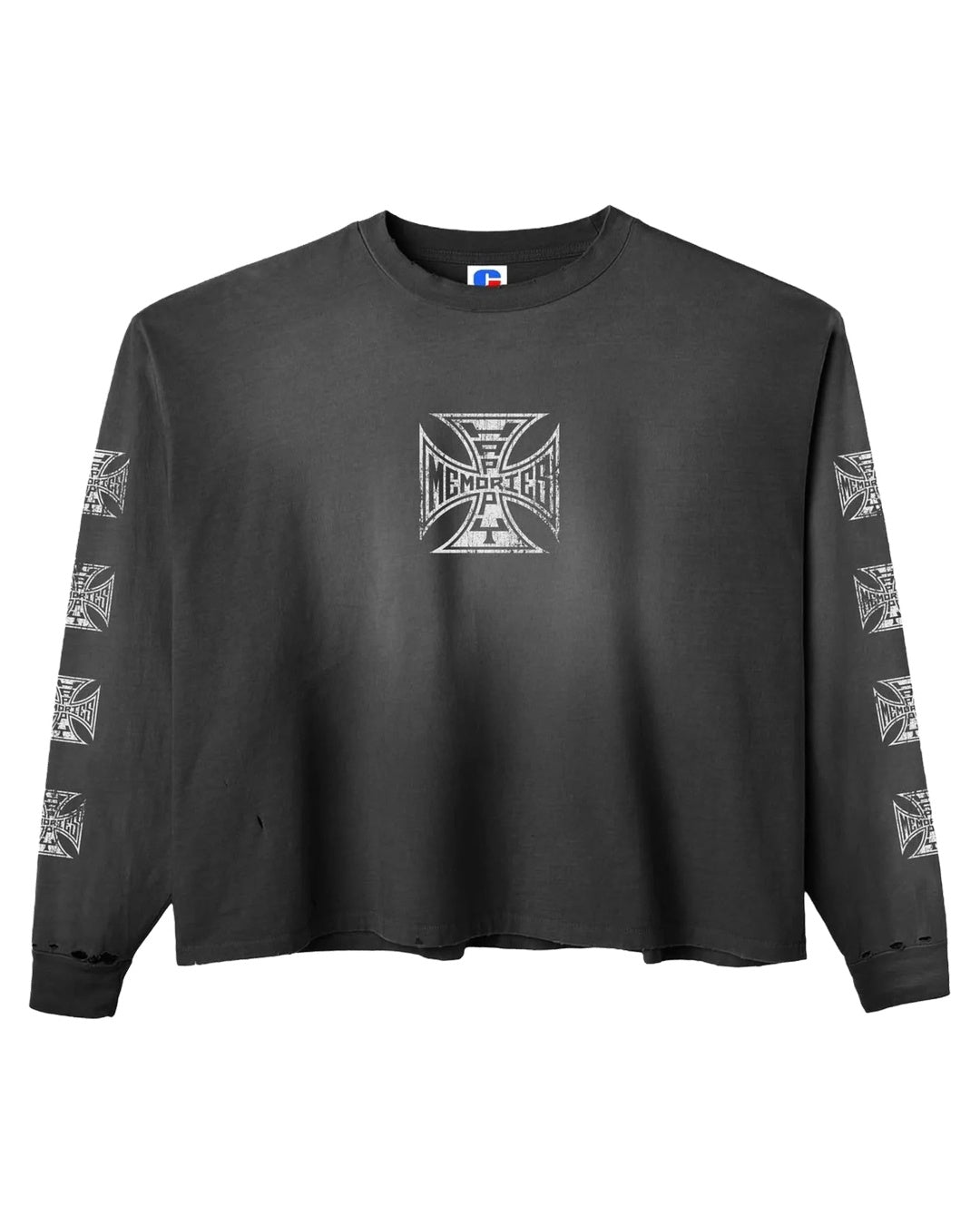
How fast items ship and how returns work are the other area shoppers should factor into their value math. None of this is unique to HMDD, but it’s part of the true expense of buying from a smaller, design-driven label rather than a mass retailer with large-scale shipping operations.
Final Verdict: Does HMDD Deliver Value?
Those bottoms specifically provide strong cost-per-wear value because they’re versatile, fit consistently, and hold up to regular washing better than starter-level pieces. The “happy memories dont die” philosophy isn’t just marketing spin — it comes through in design choices that prioritize sentiment and longevity over disposable trend-chasing.
The point where you should pump the brakes is if you’re anticipating high-fashion-caliber craftsmanship at mid-level prices, or if you require dependable restocks and generous return windows. Such perks simply aren’t selling points of the limited-drop model HMDD operates under, and no truthful assessment should suggest otherwise. For your individual situation in 2026, the worth-it question turns much easier to answer once you measure your own preferences — price relative to wear, style compatibility, and tolerance for infrequent replenishment — against what HMDD provides.